

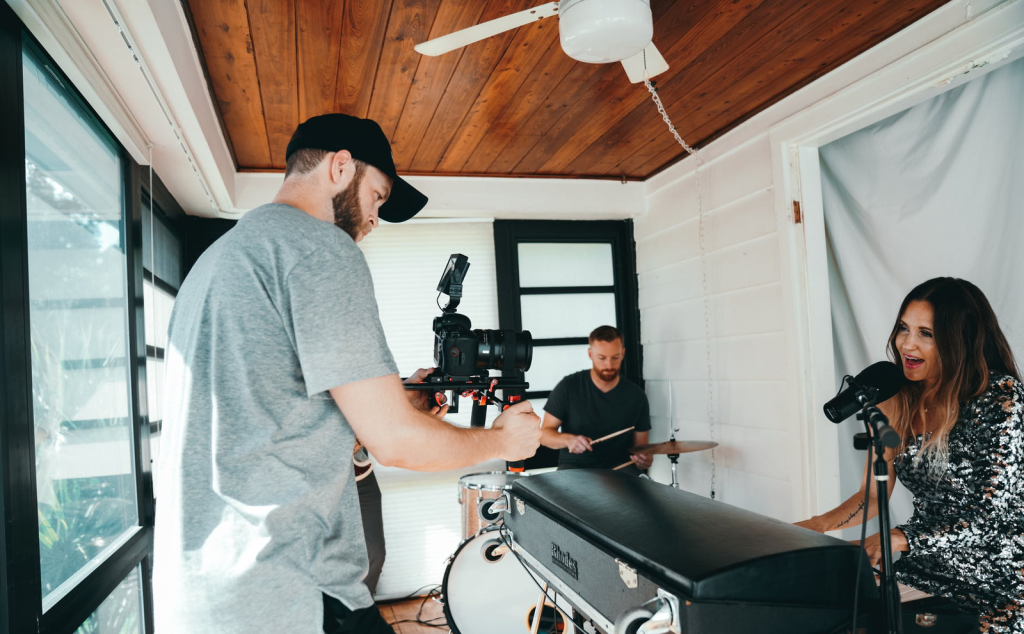
Do you find it hard to make content that your audience loves? Making professional videography content can seem tough. But, it doesn’t have to be.
The video production process has many steps, from planning to sharing. Experts at Riverside say it’s divided into three parts: before, during, and after. Knowing these steps is key to making great content.
Breaking down the process into simple steps helps a lot. This way, your content will be well-made and shared right. In this guide, we’ll show you how to make top-notch video content step by step.
Key Takeaways
- Understand the three phases of video production: pre-production, production, and post-production.
- Learn how to plan and execute a successful video production project.
- Discover the importance of distribution in getting your content seen.
- Get insights into creating high-quality content that resonates with your audience.
- Find out how to make the video production process easier and more efficient.
Understanding Video Production Basics
Video marketing starts with knowing the basics of video production. Learning these basics helps you make videos that people enjoy watching. Your videos will connect with your audience better.
Definition of Video Production
Video production is making videos from start to finish. It includes writing scripts, filming, editing, and getting the video ready to share. Corporate video services help businesses use videos for marketing and more.
Importance in Marketing
Video marketing is key in today’s world. It’s not as scary as some think. Videos grab attention, share info clearly, and get people involved. Using videos in your marketing can make your brand more known, engage customers, and boost sales.
Common Types of Video Content
There are many types of videos you can make. These depend on what you want to achieve. Here are a few:
- Explainer videos that make hard stuff easy to understand
- Testimonial videos that show happy customers
- Brand stories that share your company’s goals and values
- How-to videos that teach your audience something new
- Live streaming for talking to people in real time
Knowing these types helps you pick the best video for your video marketing.
Planning Your Video Project
A good video project starts with a clear plan and goals. Experts say, “First things first. Everything begins with your ultimate goal for your video content.” This step is key to guiding the whole production.
Setting Clear Objectives
To make great video content creation, you must know what you want to achieve. Do you want to boost brand awareness, sell more, or teach your audience? Clear goals help shape your message and measure success.
Think about what action you want viewers to take after watching. This keeps you focused on your goals. It makes sure every part of your video, from script to edit, meets your objectives.
Creating a Script and Storyboard
With goals in mind, the next step is a good script and storyboard. Your script should cover the story, dialogue, and main points. A storyboard shows the order of events, helping plan your video’s pace and flow.
A solid script and storyboard are key for easy video editing. They act as a guide, making sure your final video is smooth and interesting.

Budgeting for Production
Budgeting is vital for video content creation. You need to plan for equipment, talent, location, and editing. A realistic budget prevents overspending and ensures quality.
Think about costs for each production stage, from start to finish. This includes video editing software and talent fees. A good budget lets you make smart choices and focus spending on what’s important.
“A well-planned budget is the backbone of any successful video production project.”
By setting clear goals, making a detailed script and storyboard, and budgeting well, you can plan a great video project. This foundation is key to making quality video content that connects with your audience.
Choosing the Right Equipment
To make great videos, you need the right tools. You’ll need a good camera, microphone, and lighting. Experts like Riverside say this is key.
Cameras for Video Production
There are many cameras to choose from. You can pick DSLRs, mirrorless cameras, or professional camcorders. DSLRs are loved for their quality and flexibility. The Canon EOS 80D or Nikon D5600 are top picks for video.
For professional videography, look for cameras with 4K, high frame rates, and changeable lenses. Sony, Panasonic, and Canon make great models for pros.
Lighting and Sound Gear
Lighting is very important for your video. It makes your video look better and feel more professional. You can use natural light or buy lighting kits.
A good microphone is key for sound. You can choose from lavalier, shotgun, or mixers. Lavalier microphones are best for interviews. Shotgun microphones are great for specific sounds.
| Equipment Type | Description | Recommended Brands |
|---|---|---|
| Cameras | DSLRs, Mirrorless, Camcorders | Canon, Sony, Panasonic |
| Lighting | Softboxes, LED Panels, Ring Lights | Neewer, Elgato, LimoRing |
| Microphones | Lavalier, Shotgun, Mixers | Rode, Sennheiser, Shure |
Editing Software Recommendations
After you film, it’s time to edit. There are many editing software options. Adobe Premiere Pro, Final Cut Pro, and DaVinci Resolve are popular.
“The editing process is where your video comes to life. It’s not just about cutting and splicing clips together; it’s about telling a story and creating a flow that engages your audience.”
For beginners, iMovie or DaVinci Resolve are good choices. For experts, Adobe Premiere Pro and Avid Media Composer offer more features.
Choosing the right tools and software makes your videos better. You’ll get a professional look.
Pre-Production Steps You Can’t Ignore
A good plan for pre-production is key to a successful video. It’s important for both corporate videos and fun content. Getting these steps right helps your project run smoothly.
Pre-production has many important steps. These steps help your video project succeed. They make sure your production stays on track and meets its goals.
Location Scouting
Finding the right location is very important. Riverside says it’s a key part of pre-production. The right spot can make your video look better and help share your message.
When looking for locations, think about a few things:
- Is it right for your story or message?
- Is it easy for your crew and actors to get to?
- Does it have what you need, like amenities?
- Do you need special permits or permissions?
| Location Type | Advantages | Disadvantages |
|---|---|---|
| Studio | Controlled, easy to set up | Limited realness, costs more |
| Outdoor | Natural, might be cheaper | Weather can be a problem, harder to manage |
| Private Property | Unique, might be exclusive | You need permission, might have rules |
Casting Talent
Finding the right actors is crucial. They should fit the role and be good on camera. They also need to share your message well.
Think about these when casting:
- Is the actor right for the role and your audience?
- Do they have acting or presentation skills?
- Are they available and flexible?
Scheduling Shoots
Having a detailed schedule is key. It helps you stay on track and finish on time and within budget.
Consider these when planning your schedule:
- Is the location available?
- Is the talent free?
- Is your crew ready?
- Do you have the right equipment?

By planning well in pre-production, you set your project up for success. This is true for corporate videos or fun content.
Best Practices During Filming
To get great footage, follow key steps during filming. This is when your idea, script, and plan come together. It’s all about making your video look good.
Directing Your Talent
Directing actors well is key. As the director, you help everyone on camera feel at ease. You share your vision clearly and give helpful feedback.
Good direction makes your video better. It helps actors show real emotions and be themselves.
Capturing Great Audio
Good sound is as important as good pictures. Bad sound can ruin your video. So, use top-notch sound gear.
Use lavalier or boom mics based on your setting. Always check your sound levels and adjust them. This keeps your audio clear and strong.
Filming Techniques to Enhance Quality
Using different filming ways can make your video better. Mix wide, medium, and close-up shots for interest. This adds depth to your story.
Stabilize your camera with a tripod or gimbal. This makes your video smooth and professional.
Post-Production Essentials
Post-production makes your video look great. It’s key in making videos. It includes editing, special effects, sound, and music.
Editing Your Video
Editing is very important. It picks the best shots and puts them in order. Good editing makes your video better.
There are many video editing tools. But for complex edits, get a pro. They know what to do.

Adding Effects and Graphics
Effects and graphics make your video pop. They include transitions and text overlays. They help tell your story better.
Here are some common effects and graphics:
- Transitions: Fade-ins, fade-outs, and cuts
- Animations: Motion graphics and kinetic typography
- Text Overlays: Titles, subtitles, and lower-thirds
Sound Design and Music Licensing
Sound and music are crucial. Good sound makes your video feel real. Music sets the mood.
Choosing the right music is important. Here’s a look at music licensing options:
| Licensing Option | Cost | Rights |
|---|---|---|
| Royalty-Free Music | One-time fee | Limited rights |
| Subscription-Based Services | Recurring fee | Extensive library access |
| Custom Composition | Variable cost | Exclusive rights |
Distributing Your Video
After making your video, it’s time to share it with your audience. This step is very important. It helps your video reach the right people.
You need a good plan to pick the best places to share your video. You should also make it easy for people to find. And, you must talk to your viewers.
Choosing the Right Platforms
Picking the right places to share your video is key. You can use YouTube, Vimeo, or social media like Facebook and LinkedIn. Think about where your viewers like to hang out.
If they are into work stuff, LinkedIn might be best. But if they like to chat with friends, Facebook is better.
- YouTube: Ideal for broad reach and SEO benefits.
- Vimeo: Offers high-quality video hosting with advanced privacy settings.
- Facebook and LinkedIn: Great for targeting specific demographics and professional audiences, respectively.
SEO Tips for Video Content
To help your SEO, your video needs to be optimized. Use the right keywords in your title, description, and tags. Keywords like “video marketing” and “corporate video services” can help people find your video.
“For your web video to help your SEO efforts, it needs to be properly optimized and distributed through the right channels.”
Engaging Your Audience
It’s important to get your viewers to interact with your video. Ask them to like, comment, and share. Talking back to comments can build a community around your video.
Looking at how people interact with your video can help you do better next time. This way, you can make sure your video gets to the right people and meets your marketing goals.
Video Marketing Strategies
Most marketers say video helps sell more. So, making a video marketing plan is key. It helps you reach your audience better and get them involved.
Building a Video Marketing Plan
First, decide what you want to achieve. Do you want more people to know about your brand? Or do you want to get more leads or sales? Knowing your goals helps you make better content and share it right.
- Find out who your audience is and what they like.
- Make a schedule for your videos to keep things regular.
- Pick the best places to share your videos.
Recent studies show that “80% of marketers say video helps sell more and 97% say it helps people understand products better.” This shows how important video is in marketing.
Utilizing Social Media
Social media is great for sharing videos. It lets you reach lots of people and use special tools to find your audience. Use YouTube, Facebook, and Instagram to share your videos.
- Make your video titles and descriptions easy to find with keywords.
- Use catchy thumbnails to get more clicks.
- Talk to your viewers by answering comments and building a community.

Measuring Success with Analytics
To see how well your videos are doing, use analytics tools. Look at views, how people interact with your video, and if it leads to sales to see if your videos are working.
| Metric | Description | Importance |
|---|---|---|
| View Count | How many times your video is watched | Tells you how many people see your video |
| Engagement | Likes, comments, and shares on your video | Shows how interested people are in your video |
| Conversion Rate | How many viewers do what you want them to | Tells you if your video is helping you sell or get leads |
By following these steps and improving your plan based on what you learn, you can make your video marketing better. This will help you reach your business goals.
Future Trends in Video Production
The world of video production is always changing. New tech and how people watch videos are key factors. To make great videos, you need to keep up with these changes.
Emerging Technologies
Live streaming is now big, letting people watch in real time. Sites like YouTube Live and Facebook Live help you reach more viewers. Adding live streaming to your videos can make them even better.
Immersive Experiences
Virtual and augmented reality are changing how we watch videos. They let viewers dive into your brand in a new way. As these techs get better, they’ll be more important for making videos.
Short-form Content
Short videos are getting popular thanks to TikTok and Instagram Reels. They’re short, fun, and grab people’s attention. Using short videos can help you reach more people and mix up your content.
By following these trends, you’ll make videos that people love. You’ll keep up with what your audience wants and be a leader in video making.
FAQ
What is the first step in the video production process?
The first step is planning. This means setting clear goals, writing a script, and making a budget.
What equipment do I need for video production?
You’ll need cameras, lights, sound gear, and editing software. The right tools depend on your project’s needs.
How do I choose the right camera for my video production?
Look at the camera’s resolution, frame rate, and lens quality. Think about your content and the quality you want.
What is the importance of pre-production in video production?
Pre-production is key. It includes finding locations, casting, and planning shoots. It makes production smoother.
How do I distribute my video content effectively?
Choose the best platforms and optimize for SEO. Engage your audience on YouTube, Vimeo, and social media.
What is the role of video marketing in video production?
Video marketing is vital. It involves planning, using social media, and tracking results. It helps reach your audience and meet marketing goals.
What are the current trends in video production?
Trends include live streaming, virtual reality, and short videos. Staying current helps make innovative content.
How do I measure the success of my video marketing campaign?
Track views, engagement, and conversions. Use analytics to see how well your video is doing. Then, adjust your strategy.
What is the importance of video content creation in corporate video services?
Creating video content is crucial. It promotes brands, products, or services. It helps businesses share their message and connect with people.
How do I optimize my video for search engines?
Use the right keywords in your title, description, and tags. Make sure your video is high-quality, engaging, and relevant to your audience.